

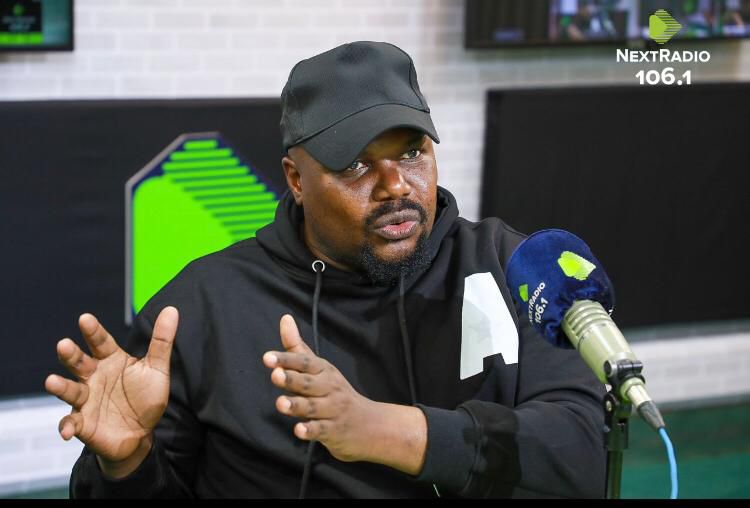
Former Common Man’s Party presidential candidate Mubarak Munyagwa Sserunga has questioned the necessity and intent behind the proposed Protection of Sovereignty Bill, 2025, describing actions by the ruling National Resistance Movement (NRM) decision to back the proposed legislation as puzzling.
Speaking during NBS Eagle on Sunday, the former Kawempe South Member of Parliament expressed scepticism about the rationale driving the proposed legislation.
“Sometimes NRM does things that leave you wondering what their purpose is,” he said.
The proposed law has placed the Parliament of Uganda at the centre of a national conversation, with both supporters and critics sharply divided on its implications. The Protection of Sovereignty Bill, 2025, is described as a broad legislative framework aimed at regulating foreign influence and reinforcing Uganda’s national autonomy across political, economic, and civil society sectors.
Backed by members of the NRM Parliamentary Caucus, proponents argue that the bill is essential to safeguarding the country’s independence in decision-making. According to early drafts, the legislation would require organisations and institutions operating in Uganda to disclose all foreign funding within 14 days. It would also grant expanded oversight powers to the Minister of Internal Affairs, including the authority to regulate or limit foreign financial participation and block activities deemed harmful to national sovereignty.
The NRM Parliamentary Caucus has since formally adopted the proposal—also referred to as the National Sovereignty Bill 2026—signalling the government’s intent to tighten control over foreign financial inflows. Speaking at a press briefing at Parliament on Friday, Government Chief Whip Hamson Obua defended the initiative, stating that it seeks to operationalise Article 1, Sub-Article 1 of the Constitution of Uganda, which affirms that all power belongs to the people.
“The proposed bill reinforces standard practice. We were colonised by the British; even the UK has similar legislation. We are not reinventing the wheel. The aim is to ensure that all funds entering Uganda are for legitimate purposes and do not undermine the country’s sovereignty,” he said.
Obua further emphasised that the government’s objective is to secure "100 per cent sovereignty” through legal safeguards, describing the bill as a necessary step in protecting national interests.
“It is for your sovereignty and my sovereignty and that of all Ugandans—nothing less, nothing more,” he said.
However, critics—including civil society analysts and opposition voices—have raised concerns that the proposed legislation mirrors previous attempts to regulate non-governmental organisations (NGOs).
They argue that despite changes in wording and scope, the core elements remain largely unchanged: stringent disclosure requirements for foreign funding, increased scrutiny of NGOs, and expanded powers for the Minister of Internal Affairs.
Analysts warn that such provisions could potentially restrict civic space and limit the operational independence of organisations reliant on international support.
